Selecting a TFT-LCD Display Manufacturer for Industrial Products
In industrial electronics, the display is not a decorative component. It is the primary interface through which operators monitor systems, adjust parameters, and respond to real-time information. Whether the end product is a medical device, an automation controller, or a smart terminal, the reliability of the display has a direct impact on usability, safety, and overall product credibility. Choosing the right TFT-LCD display manufacturer is therefore a fundamental design decision rather than a simple procurement task.
Industrial products differ greatly from consumer electronics. They are expected to function reliably for many years, often in environments that are far from ideal. A capable display manufacturer understands these realities and designs panels that prioritize stability, longevity, and adaptability over short-term cost optimization.
Why Industrial Reliability Comes First
Industrial displays are commonly deployed in harsh conditions. High and low temperatures, continuous operation, vibration, electrical noise, and exposure to dust or moisture are all common challenges. Unlike consumer devices, which may be replaced every few years, industrial systems are designed for long service lives and predictable maintenance cycles.
An experienced TFT-LCD display manufacturer builds products with these factors in mind. Industrial panels typically feature extended temperature support, stable backlight performance, reinforced mechanical structures, and surface treatments that maintain visibility under strong ambient light. Equally important is long-term availability. Industrial manufacturers avoid frequent model changes and manage product lifecycles carefully so customers can source the same display for many years without redesigning their systems.
Customization as a Core Capability
In practice, very few industrial designs can rely entirely on standard display modules. Mechanical constraints, electrical interfaces, and system architecture often require tailored solutions. A strong TFT-LCD display manufacturer offers customization as a standard service rather than an exception.
Customization may involve adapting the electrical interface to match the main processor, redesigning the flexible printed circuit to fit a specific enclosure, or adjusting backlight brightness for indoor or outdoor use. Mechanical modifications such as open-frame structures or custom mounting features can also simplify system integration. These capabilities reduce the need for additional adapter boards or mechanical compromises, helping developers achieve cleaner and more reliable designs.
Touch Technology and Optical Quality
Touch input has become a common requirement in modern industrial equipment. A display manufacturer with industrial expertise typically supports multiple touch technologies, allowing developers to select the most appropriate option for their environment. Capacitive touch is well suited for modern interfaces and multi-touch interaction, while resistive touch remains valuable in applications that require glove operation or extreme robustness.
Optical performance is another critical aspect. Techniques such as optical bonding significantly improve display readability by reducing internal reflections and increasing contrast. Combined with surface treatments like anti-glare, anti-reflection, and anti-fingerprint coatings, these solutions ensure the display remains clear and usable in bright or contaminated environments.
Manufacturing Quality and Process Control
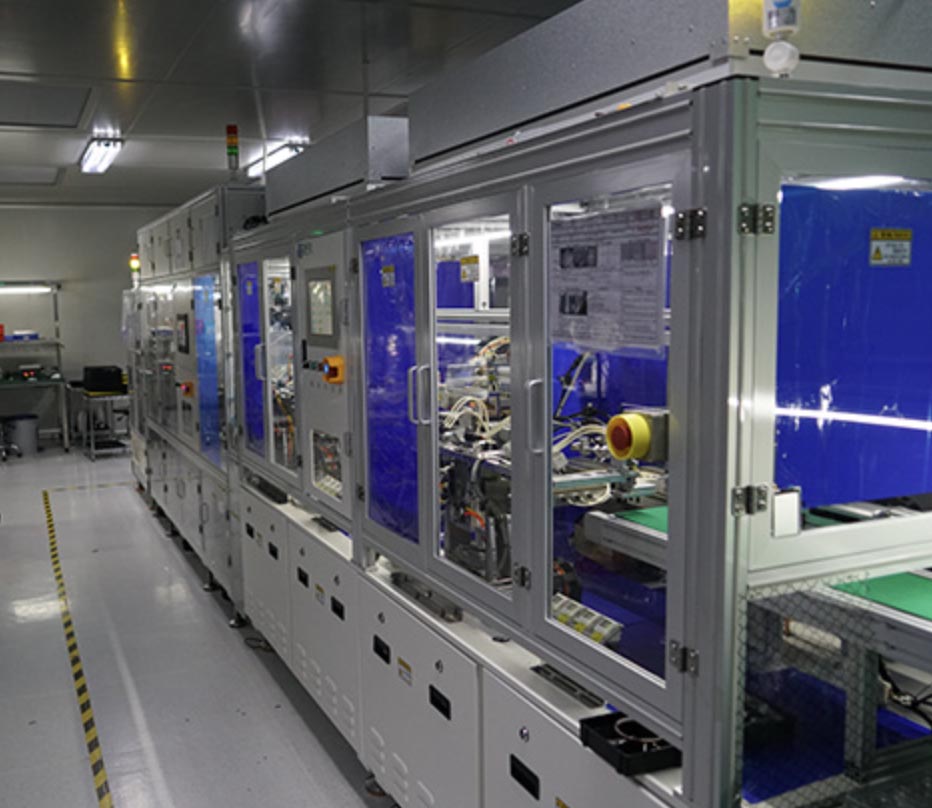
Consistent quality is essential in industrial supply chains. A reliable TFT-LCD display manufacturer operates under strict quality management systems and applies thorough inspection procedures throughout production. Incoming materials, assembly processes, and finished products are all subject to defined checks to ensure consistency.
Compliance with international standards and environmental regulations is also an important indicator of manufacturing maturity. These practices not only reduce the risk of defects but also provide confidence for customers operating in regulated industries such as healthcare, transportation, and energy.
Long-Term Cooperation and Supply Stability
Beyond technical specifications, the long-term relationship between manufacturer and customer plays a key role in industrial projects. Products often evolve over time, requiring minor revisions, alternative components, or performance adjustments. A manufacturer with stable production lines and experienced engineering teams can support these changes without disrupting supply.
This type of cooperation allows product developers to focus on improving system functionality and user experience, rather than managing component obsolescence or qualification risks.
Conclusion
Choosing a TFT-LCD display manufacturer for industrial applications involves far more than comparing datasheets. Reliability, customization capability, optical performance, quality control, and long-term supply commitment all influence the final success of a product. By working with a manufacturer that understands industrial requirements and supports flexible engineering collaboration, companies can build systems that remain dependable, maintainable, and competitive throughout their operational life.